What if organizations were actually designed to meet the needs of people?
Too often we hear the phrase "that doesn't belong at work" when human needs are being expressed in our organizational environments. Most organizations are designed to meet the needs of an "economy" with the singular goal of providing a product or service for profit, often to the detriment of the people involved.
Imagine Something Different
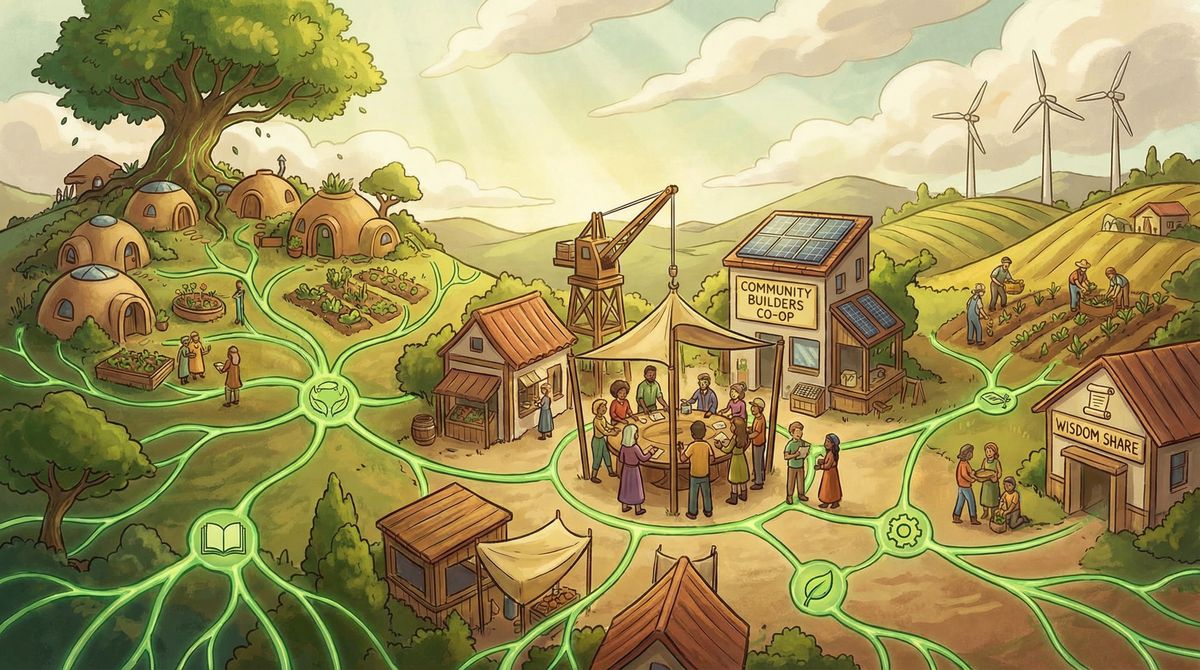
Picture this: An organization starts when a group of humans come together with the express goal of meeting their needs together.
For example, seven friends who already love being and creating things together decide they want to start a "village organization." It begins with them collectively identifying all their shared:
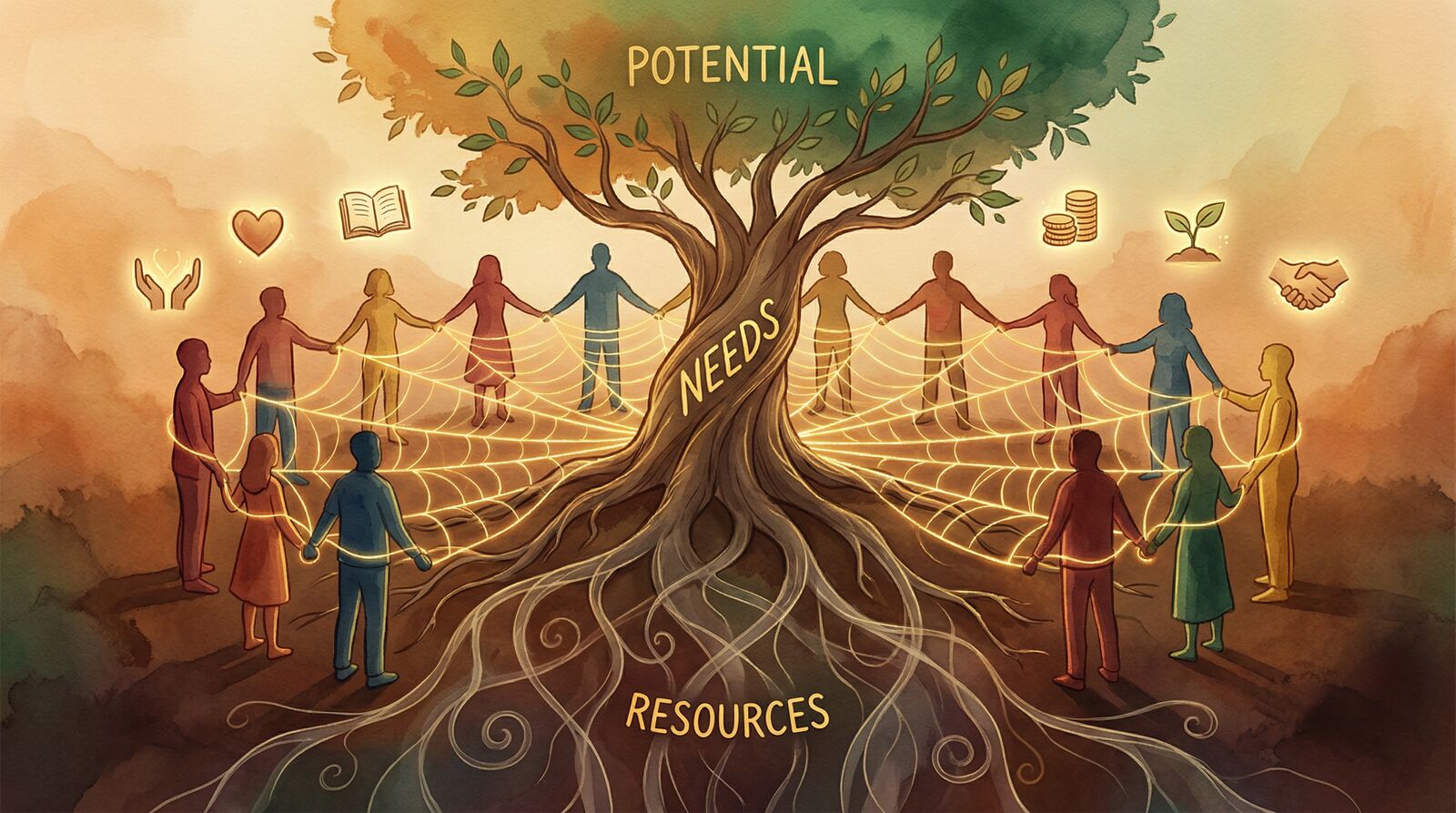
- NEEDS
- RESOURCES
- POTENTIAL
Let's take these one at a time.
1. NEEDS: The Foundation
Needs are the most simple starting point because, objectively, humans share a set of biological needs. We can start with this universal list and augment it to meet the specific nuances of each group.
Now the group can visualize and identify what their actual needs are and what they are working to meet together. This is not about profit margins or market share. It is about water, food, shelter, belonging, purpose, and growth.
When needs are visible, they become addressable. When they are hidden, they fester.
2. RESOURCES: Beyond Money
One powerful tool here is the "8/9/10 forms of capital" framework, where financial capital (stocks, money, etc.) is simply one form among many.
Consider the full spectrum:
- Financial Capital: Money, investments, credit
- Material Capital: Tools, buildings, land, infrastructure
- Living Capital: Soil, water, ecosystems, biodiversity
- Social Capital: Relationships, trust, community connections
- Intellectual Capital: Knowledge, skills, ideas, patents
- Experiential Capital: Wisdom from lived experience
- Spiritual Capital: Meaning, purpose, connection to something greater
- Cultural Capital: Traditions, stories, shared practices
Now the group can visualize a much fuller extent of the resources they share together. Suddenly, the person who "only" brings deep community connections is recognized as wealthy. The elder who "only" brings decades of wisdom is seen as a crucial resource.
3. POTENTIAL: Dreams Made Visible
What are the unique skills, passions, and dreams each member brings? What could this group become if everyone's potential was nurtured and expressed?
This is where the magic happens. When needs are clear and resources are mapped, potential becomes achievable. Dreams stop being fantasies and start being plans.
Why This Matters for ReGen Civics
This needs-based approach is exactly what we are building at ReGen Civics. Our Contribution Calculator recognizes eight forms of capital. Our governance ensures every voice is heard. Our seasonal structure creates space for both doing and being.
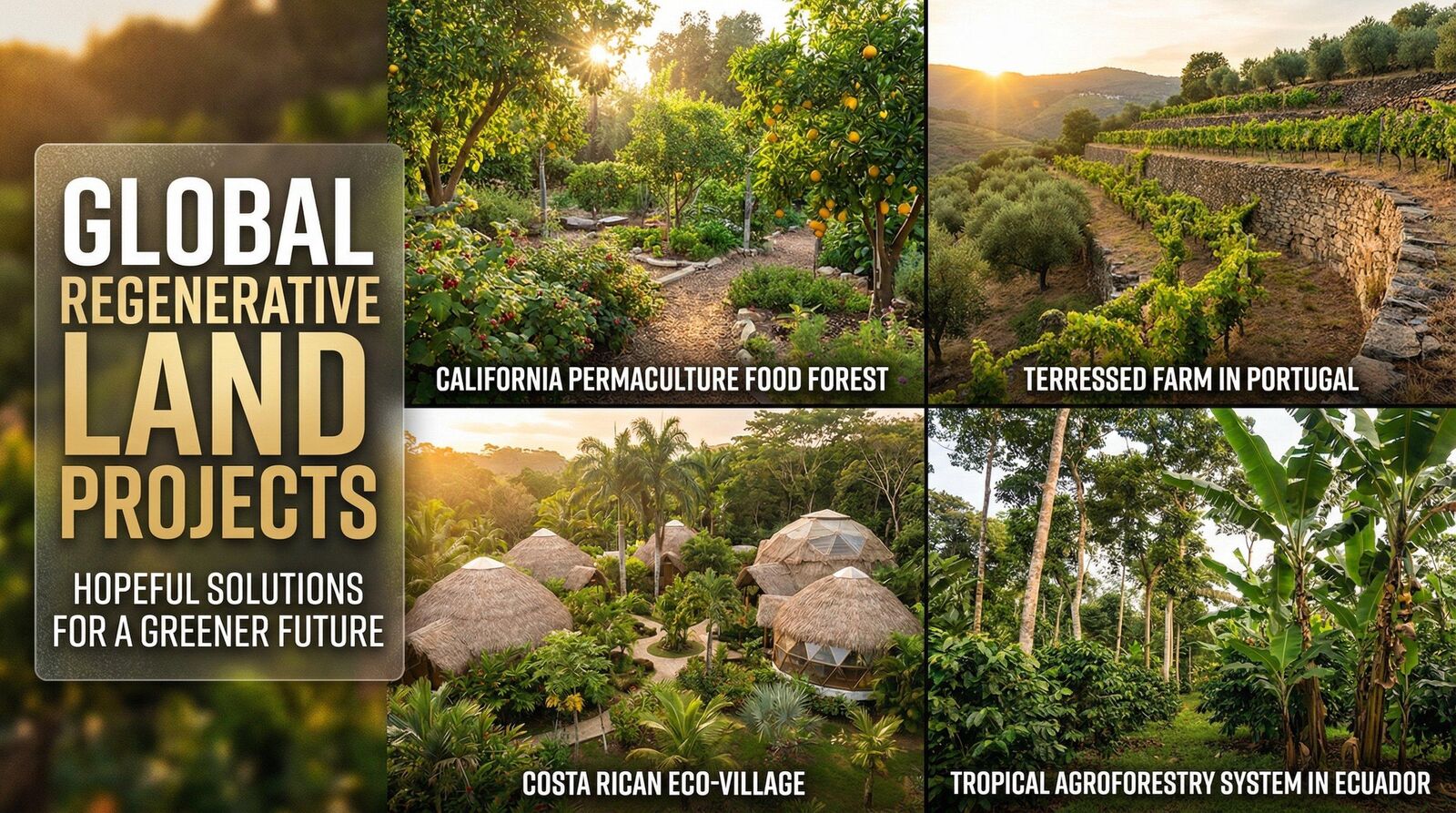
We are not just funding land projects. We are prototyping a new way of organizing human activity, one that starts with what people actually need and builds from there.
The Invitation
What would your organization look like if it started with needs instead of profits? What resources does your community already have that go unrecognized? What potential is waiting to be unlocked?
These are not rhetorical questions. They are design prompts for a different kind of future.
The regenerative renaissance begins when we remember that organizations exist to serve people, not the other way around.